

Movie collection
Harry Potter Movies in Order: All 8 Films
Watch the eight Harry Potter films in release order, from Philosopher’s Stone to Deathly Hallows: Part 2. The main story follows the same sequence, so newcomers do not need a separate chronological order. Fantastic Beasts is optional.
The complete watch order
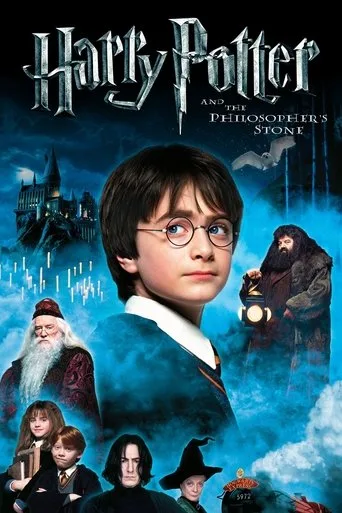 7.9
7.9Harry Potter and the Philosopher's Stone
2001152 min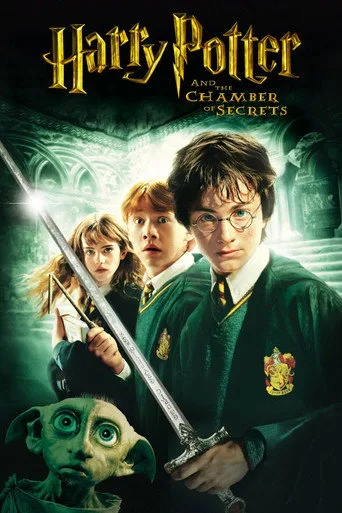 7.7
7.7Harry Potter and the Chamber of Secrets
2002161 min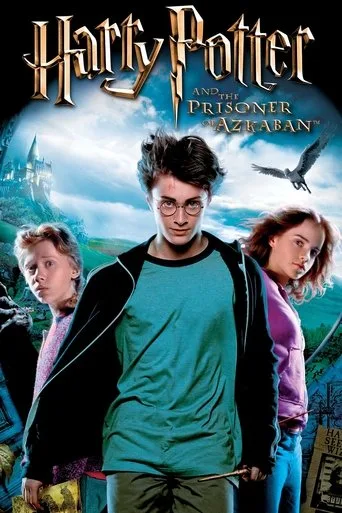 8.0
8.0Harry Potter and the Prisoner of Azkaban
2004141 min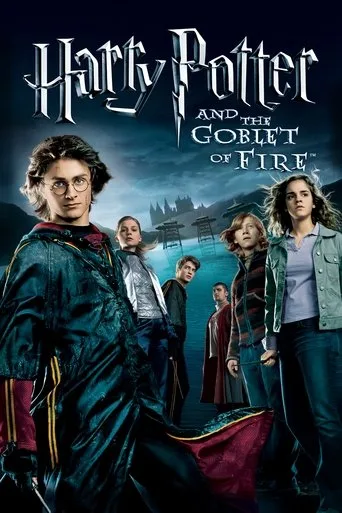 7.8
7.8Harry Potter and the Goblet of Fire
2005157 min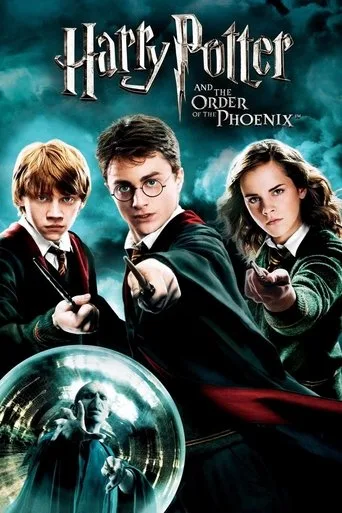 7.7
7.7Harry Potter and the Order of the Phoenix
2007138 min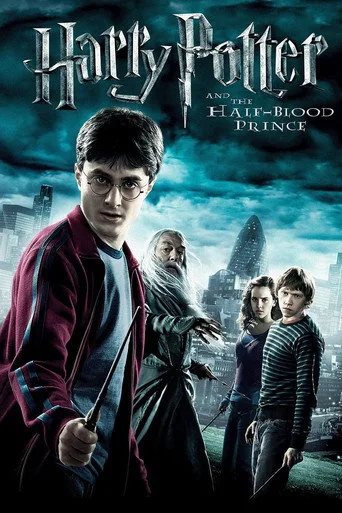 7.7
7.7Harry Potter and the Half-Blood Prince
2009153 min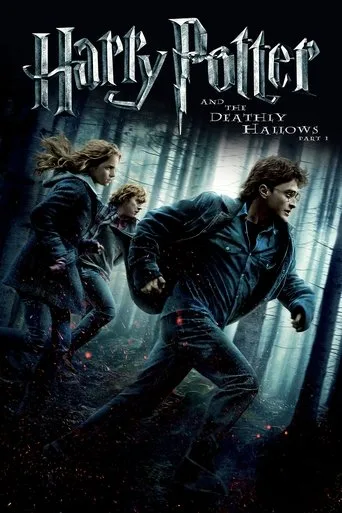 7.7
7.7Harry Potter and the Deathly Hallows: Part 1
2010146 min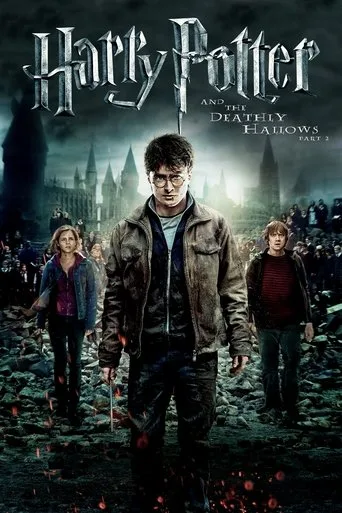 8.1
8.1Harry Potter and the Deathly Hallows: Part 2
2011130 min
How should you watch the series?
For a first watch, follow the release order above. The eight films follow Harry’s school years and the conflict that grows around him; there is no need to rearrange them around flashbacks. Start with Philosopher’s Stone and finish with Deathly Hallows: Part 2.
The eight Harry Potter films in release order
- Harry Potter and the Philosopher's Stone (2001)
- Harry Potter and the Chamber of Secrets (2002)
- Harry Potter and the Prisoner of Azkaban (2004)
- Harry Potter and the Goblet of Fire (2005)
- Harry Potter and the Order of the Phoenix (2007)
- Harry Potter and the Half-Blood Prince (2009)
- Harry Potter and the Deathly Hallows: Part 1 (2010)
- Harry Potter and the Deathly Hallows: Part 2 (2011)
The early films spend more time introducing Hogwarts, friendships and everyday magic. From Prisoner of Azkaban onward, the visual style and emotional stakes become darker. If the first film feels young for your taste, that tone does not stay constant across the series.
The early years (films 1–3)
Philosopher’s Stone makes discovery the attraction: a new school, new friends and a world Harry does not yet understand. Chamber of Secrets turns familiar places into a mystery. Prisoner of Azkaban brings a more unsettled atmosphere and asks you to reconsider what Harry knows about his past. Watch this opening stretch for the way the same setting changes as his understanding grows.
The middle years (films 4–6)
Goblet of Fire uses a school competition to widen the story beyond Hogwarts. Order of the Phoenix puts trust and authority at the center, while Half-Blood Prince mixes awkward everyday relationships with preparation for the final conflict. These chapters are useful connective tissue, even if you prefer the lighter opening films or the more urgent finale.
The finale (films 7–8)
The two Deathly Hallows films form the closing stretch of one story. Part 1 exchanges familiar school routines for an uncertain journey; Part 2 brings that journey to its confrontation. Keep them close together in your schedule, and avoid treating Part 2 as a standalone action film.
Plan a manageable marathon
An eight-night plan gives every film its own evening. For a shorter schedule, pair films 1–2, 3–4, 5–6 and 7–8 across four sessions, allowing for the runtimes shown above and breaks. The final two films are especially useful to watch close together because they adapt one continuous story.
The displayed runtimes are TMDB’s standard movie runtimes, not a promise about every streaming or disc edition. Check the version you will actually play before setting a finish time.
If you only have one evening, start with Philosopher’s Stone. It gives you a complete first adventure while leaving the larger story open. There is no essential-films shortcut that preserves all eight films’ character development; use the first film to decide whether you want the longer commitment.
Our take on the collection
Moviebase editorial
Our verdict: a rewarding long-form adventure whose greatest strength is the time spent with its characters. Watch for the changing friendships and atmosphere, rather than expecting eight films with the same pace or mood.
The strongest reason to watch all eight films is the sense of growing up alongside the characters. Hogwarts starts as a place to explore and gradually becomes somewhere worth protecting. The changing directors give the series an uneven visual rhythm, but recurring performances and familiar locations keep it connected. For us, that continuity matters more than any one film’s score.
What works well: recurring locations, long-running friendships and a cast that grows with the story. Watching in sequence lets small character moments gain significance across several films.
What may not suit you: later adaptations move quickly through complicated book material, and the tone becomes much more threatening. The final stretch is less about school adventures and more about loss, conflict and responsibility. For younger viewers, check the local age classification and each film’s content information.
Who it suits: viewers who enjoy returning to a familiar world and following an ensemble over time. If you want an independent adventure every evening, the later films’ reliance on earlier relationships may be less appealing. For a different fantasy journey afterward, compare our Lord of the Rings and Hobbit watch order.
Our viewing notes consider story clarity, character development, pacing and how well a film works in sequence. They are editorial recommendations; the TMDB scores above are audience votes, not our own ratings.
An unexpected strength: the quieter chapters
The spectacle is easy to remember, but the pauses between major confrontations give this collection much of its identity. The awkward friendships, competing loyalties and ordinary school routines make the larger conflict feel personal. Half-Blood Prince can seem like a detour if you want constant action; in sequence, its uneasy mix of humor and foreboding creates a different kind of tension. That is an editorial preference, not a claim about a critics’ consensus.
Do you need to read the books first?
You can follow the films without reading the novels. The tradeoff is that some supporting characters and explanations receive less space on screen. For a first movie marathon, finish the films before pausing to research every difference: background reading can reveal later plot developments. If a relationship feels rushed, the books offer a fuller version to explore afterward.
Want more of the Wizarding World?
The Fantastic Beasts films are a separate prequel series. They are optional for understanding Harry’s eight-film story, so keep them in another list rather than mixing them into a first watch.
Start with Fantastic Beasts and Where to Find Them, followed by The Crimes of Grindelwald and The Secrets of Dumbledore.
Plan your Harry Potter watchlist
In Moviebase, create a Harry Potter list, add the eight films and mark them watched as you go. Keep Fantastic Beasts in a separate list and save personal favorites for a later rewatch. Our guide to organizing watchlists by franchise explains how to keep those plans manageable. The poster links open individual titles; the download card below helps you get the app and build your own list.
Sources and review
Movie metadata, ratings and artwork are sourced from TMDB. TMDB scores reflect audience votes and may change over time. Viewing recommendations are Moviebase editorial opinions. This product uses the TMDB API but is not endorsed or certified by TMDB.